Three Bars in Four-Four
Big BrotherThree Bars in Four-Four is a club at 44 Visitation Place in Red Hook that briefly offered Edison Appaloosa more than shelter: in the room above it, he could sleep, wash, and practice on the house piano, and he became the club’s informal keyboard player. Its modest exchange—cleaning after closing for a place to stay—gave him a foothold among friends and musicians, but the arrangement failed when he began taking food from the kitchen. The club’s story thus turns on the fragile overlap between mutual aid, work, music, and hunger.
Setting and Arrangement
After Edison had trouble keeping a place to live, a core group of friends found him a room over Three Bars. The location mattered in practical ways: the club stayed open very late, and staff wanted to leave when it finally closed. Edison agreed to clean after hours in return for sleeping upstairs. He did not manage the club, despite having given his sister that impression; his work was the overnight cleaning that made his room possible.
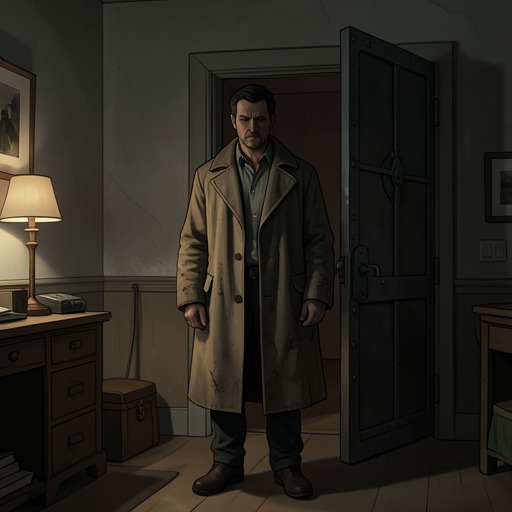
The accommodation was plainly makeshift. Edison described the second-floor room as little better than a closet, with one window covered in spiderwebs and an electrical socket. He could wash at the club’s restroom, and while the club was closed during the day, he could practice on its piano. The room did not offer conventional comfort, but its proximity to the instrument and to the club’s musical life gave it a value beyond a place to sleep.
Music and Community
Three Bars became a gathering point for Edison and the musicians he knew. Because he lived upstairs, he also became the club’s house keyboard player. Slack and other musicians came by after their own gigs; by then, most had moved to Brooklyn. Edison recalled the club as lively and said that, for a while, things there were not so bad. His account presents the venue as a real but limited refuge: friendship and music made an inadequate room feel usable, even as the arrangement depended on Edison’s capacity to keep working.
The club also figures within a wider contrast in how Edison and his sister understand his career. Earlier, he offered her stepson Tanner advice about the entertainment industry, drawing on his own Hollywood acquaintances and the difficulty of getting film projects made. Later, she recognized that she had treated Edison’s early professional breaks as proof that he was exceptional, while her experience running Breadbasket had taught her to notice the demanding labor of deliverymen, bakers, and postal workers. Three Bars makes that tension concrete: Edison’s musical identity and social connections persist, but his immediate shelter depends on cleaning work rather than professional recognition.
Why the Arrangement Ends
The support at Three Bars had practical limits. The club served food, including burgers, fish, chicken salad with mango and cashews, and home fries. There was no refrigerator in Edison’s room, and he had been warned not to store even dry goods there because of rats. After cleaning, he was already in the kitchen; by six in the morning he was hungry, and nothing else in Red Hook was open. He said that he put the food back and resealed its plastic covers, but the club noticed that items were disappearing from the kitchen.
Edison linked his eating to the physical demands of the arrangement as well as to hunger: getting around had become difficult, sweeping exhausted him, and carrying glasses to the dishwasher brought him into the kitchen. His sister responded that his friends had taken a risk to help him and urged him to exercise self-control. Edison said he had heard that criticism from several people. The episode does not resolve the conflict between need and responsibility; instead, it shows how the very work that secured his room placed food within reach, while the limits of the accommodation made storing or preparing alternatives difficult. The kitchen losses ended what he called his last chance at Three Bars.
Narrative Significance
Three Bars is a temporary refuge rather than a solution to Edison’s housing insecurity. It provides a room, access to a piano, and a place among friends, but none of these protections is independent of labor or trust. The arrangement’s failure does not erase the help his friends offered; it reveals the conditions on which that help rested and the pressures Edison could not reliably manage.
The club also gathers the book’s competing measures of success into one small space. Edison can still play, and fellow musicians still come to see him, yet the room above the club is not a secure home and the house-keyboard role does not make him its manager. His place there rests on cleaning and on the patience of friends; once food goes missing, musical belonging cannot preserve the lodging. Three Bars therefore marks both a genuine interval of community and the precariousness of support when poverty, hunger, and work converge.